From Books to the Road
The Ascent and the Withheld Meaning
he first time I encountered Alamut was not through stone, but through books. In my youth, it appeared in Samarkand, where history was fragile, torn between poetry and power. Later, at university, Alamut offered a darker lesson: belief as an instrument, truth as a construction. Long before the journey, Alamut existed for me as a mental landscape. Yet nothing in reading prepares one for the slow discipline of the road.
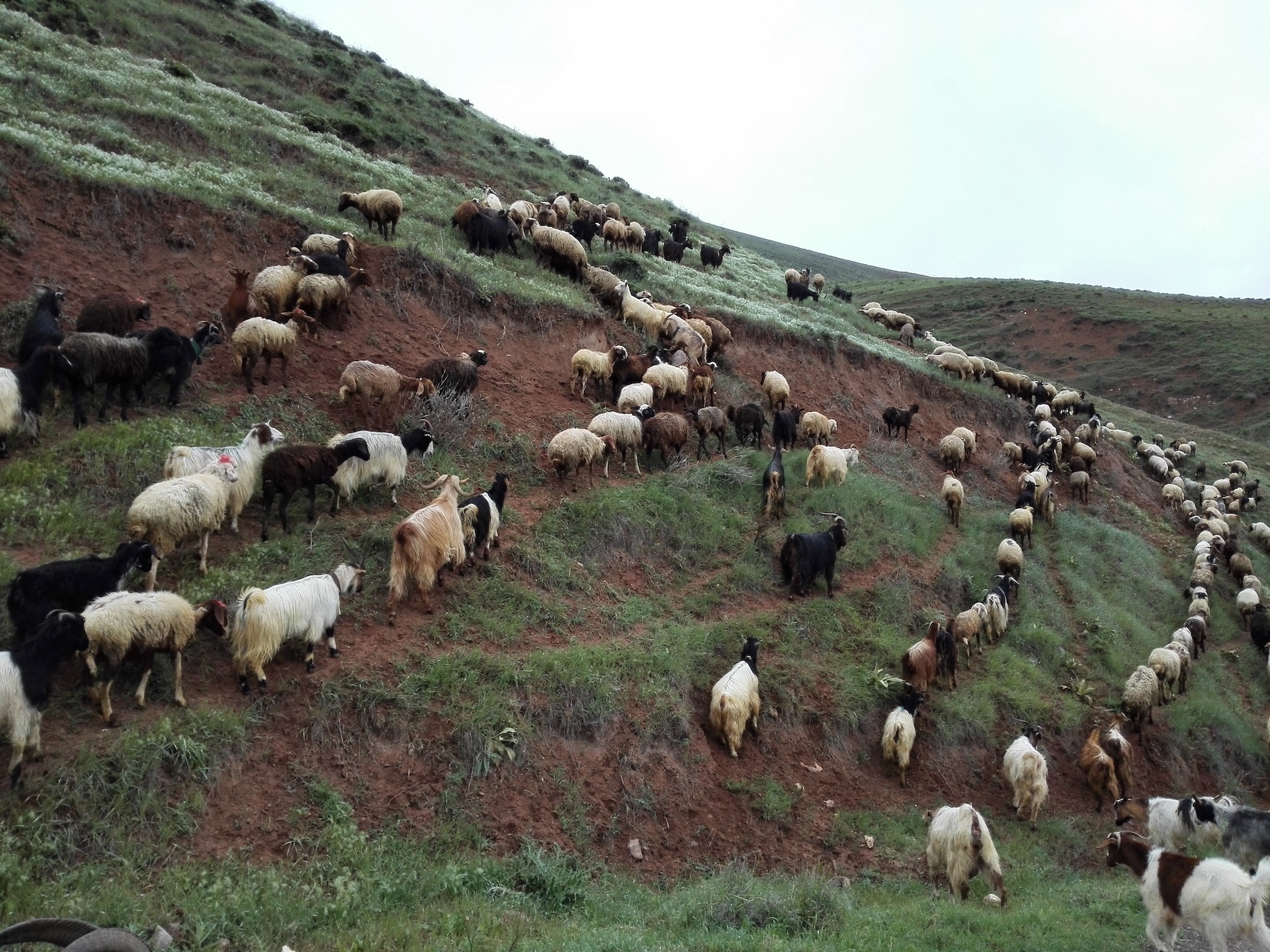
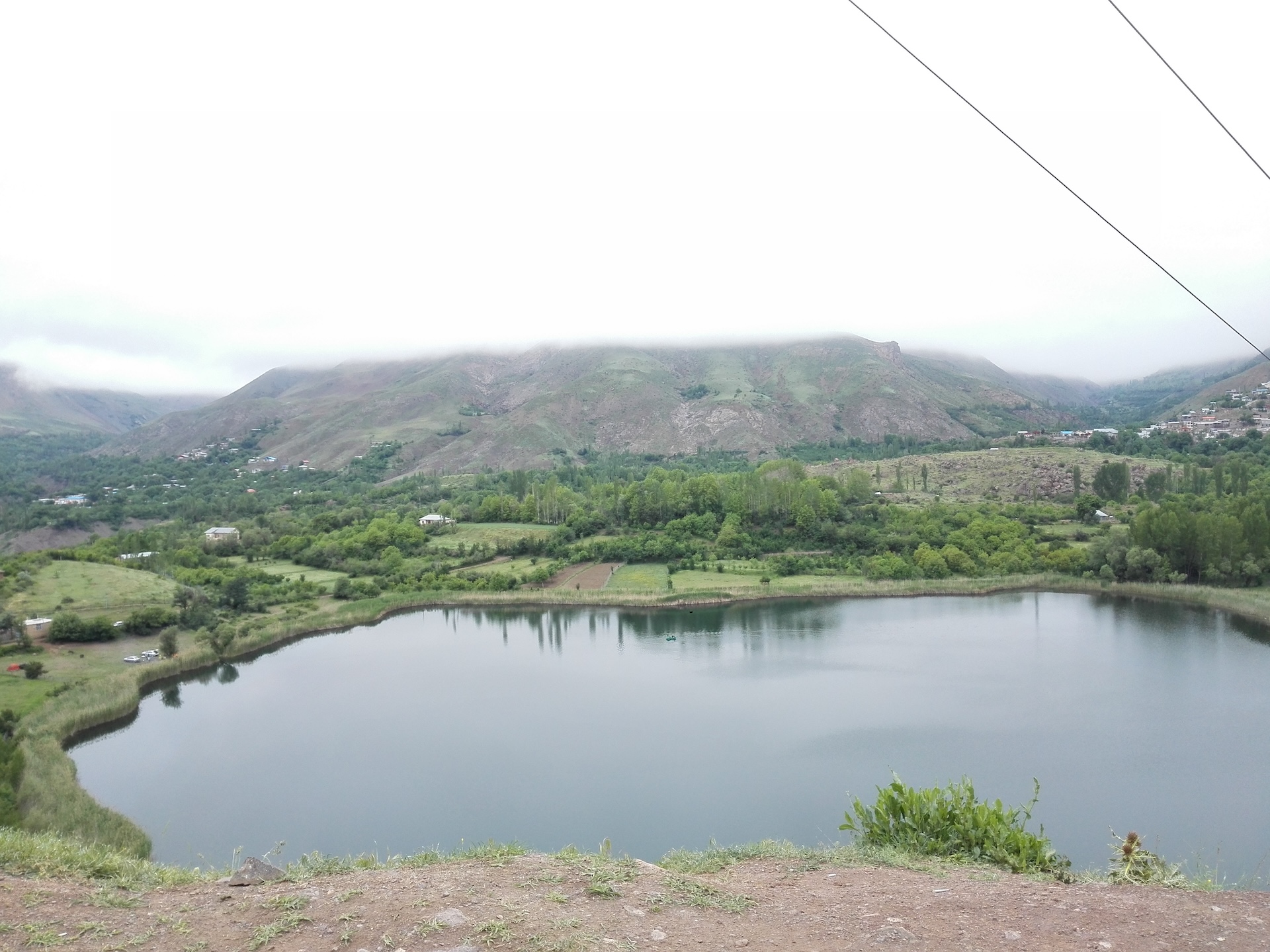
Leaving Tehran, the city loosens its grip gradually. Asphalt gives way to curves, curves to altitude. Mist settles low on the mountains, softening their edges. On the slopes of Rudbar, herds of sheep and goats cross the path, guided patiently along narrow lines carved into the earth. Their movement interrupts speed and imposes another rhythm—older than ideology, older than legend. The road does not lead straight to Alamut; it circles, climbs, pauses. It teaches delay. One begins to understand that isolation here was never absolute withdrawal, but a careful selection of distance.
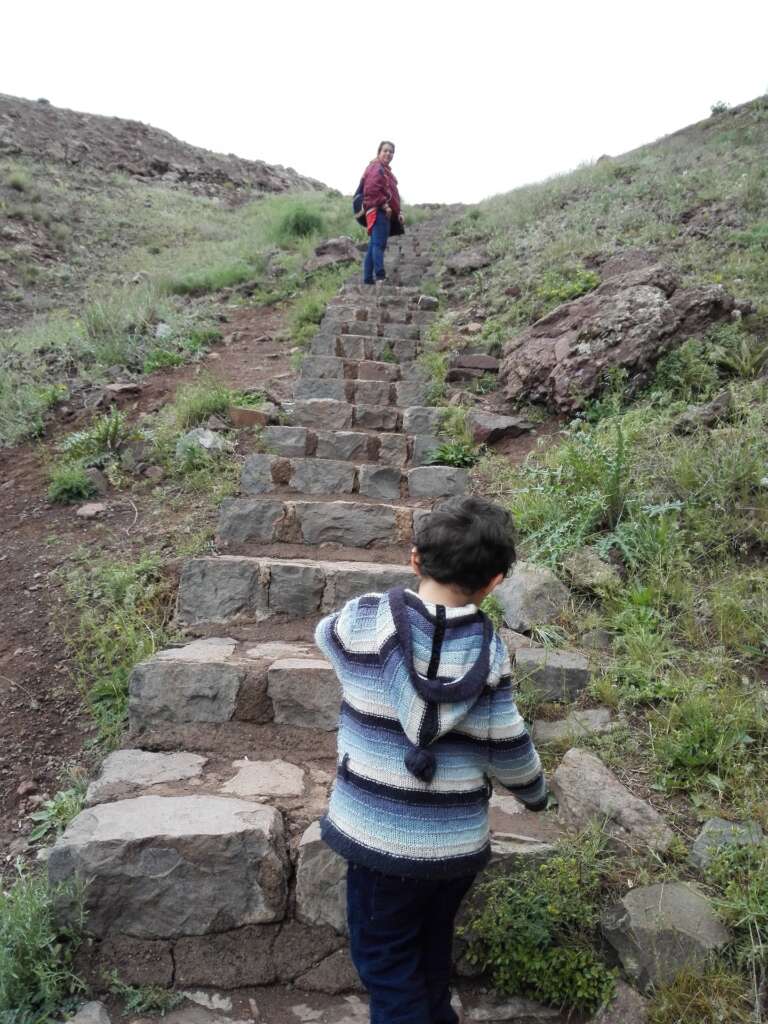
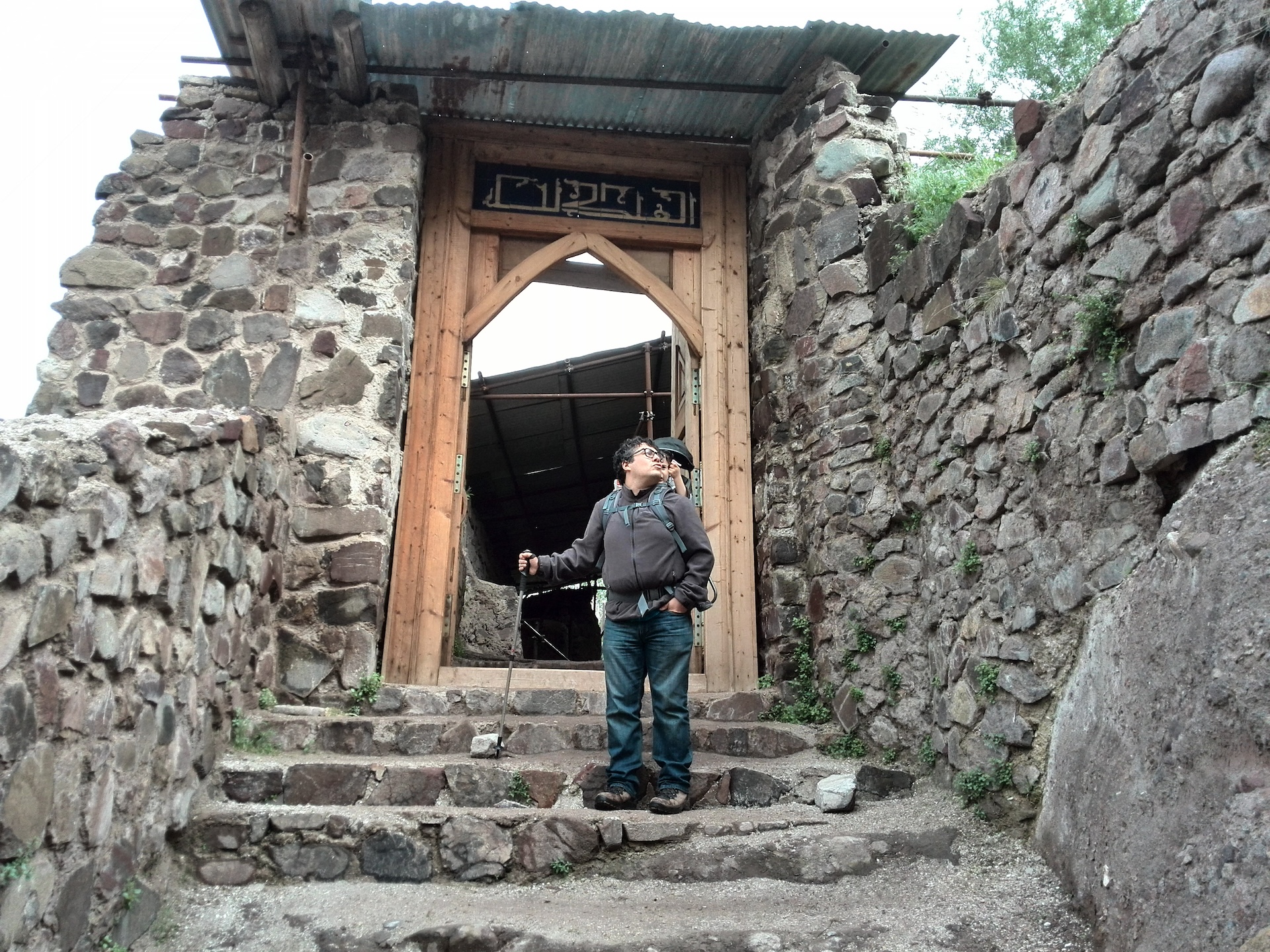
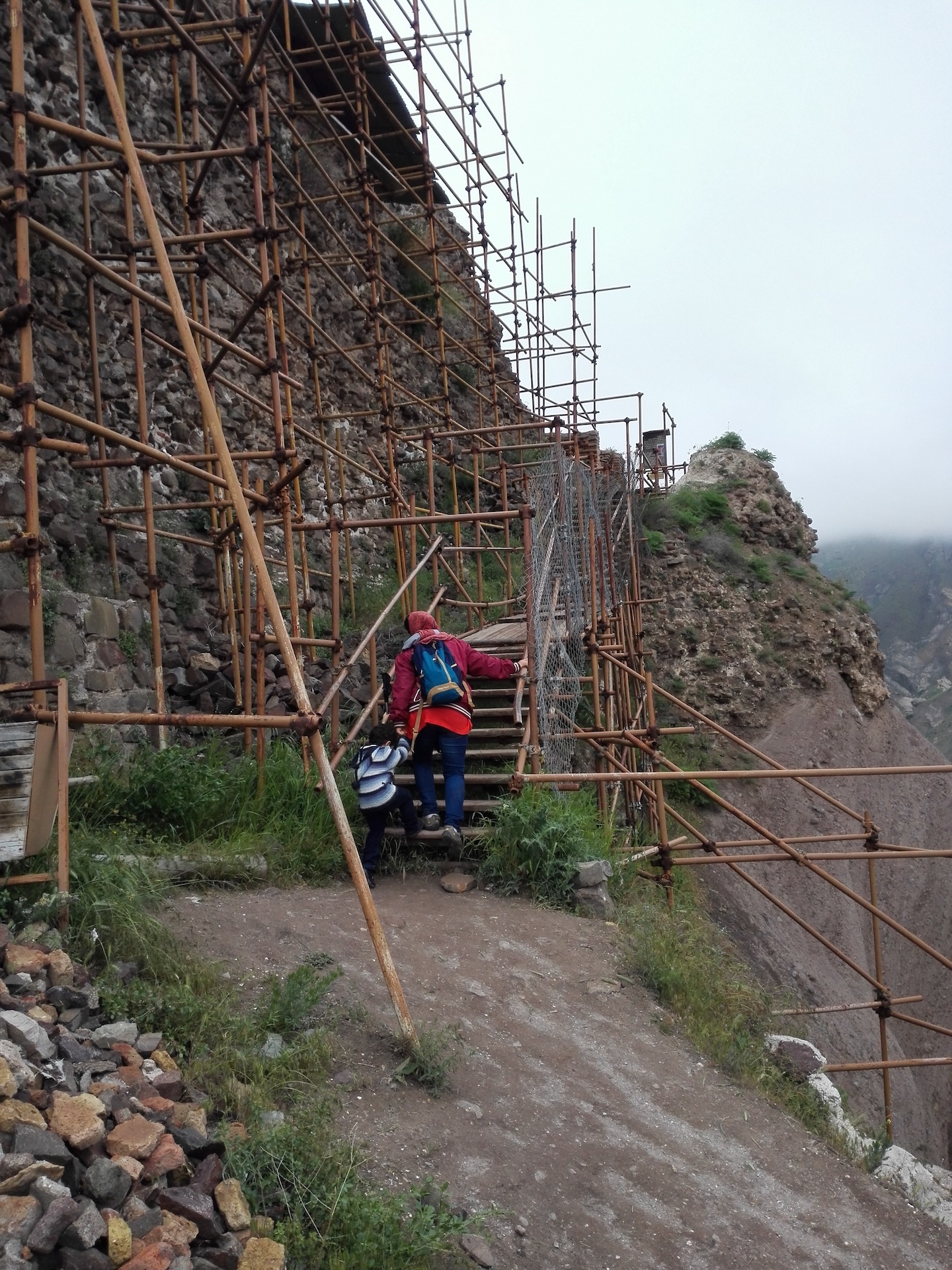
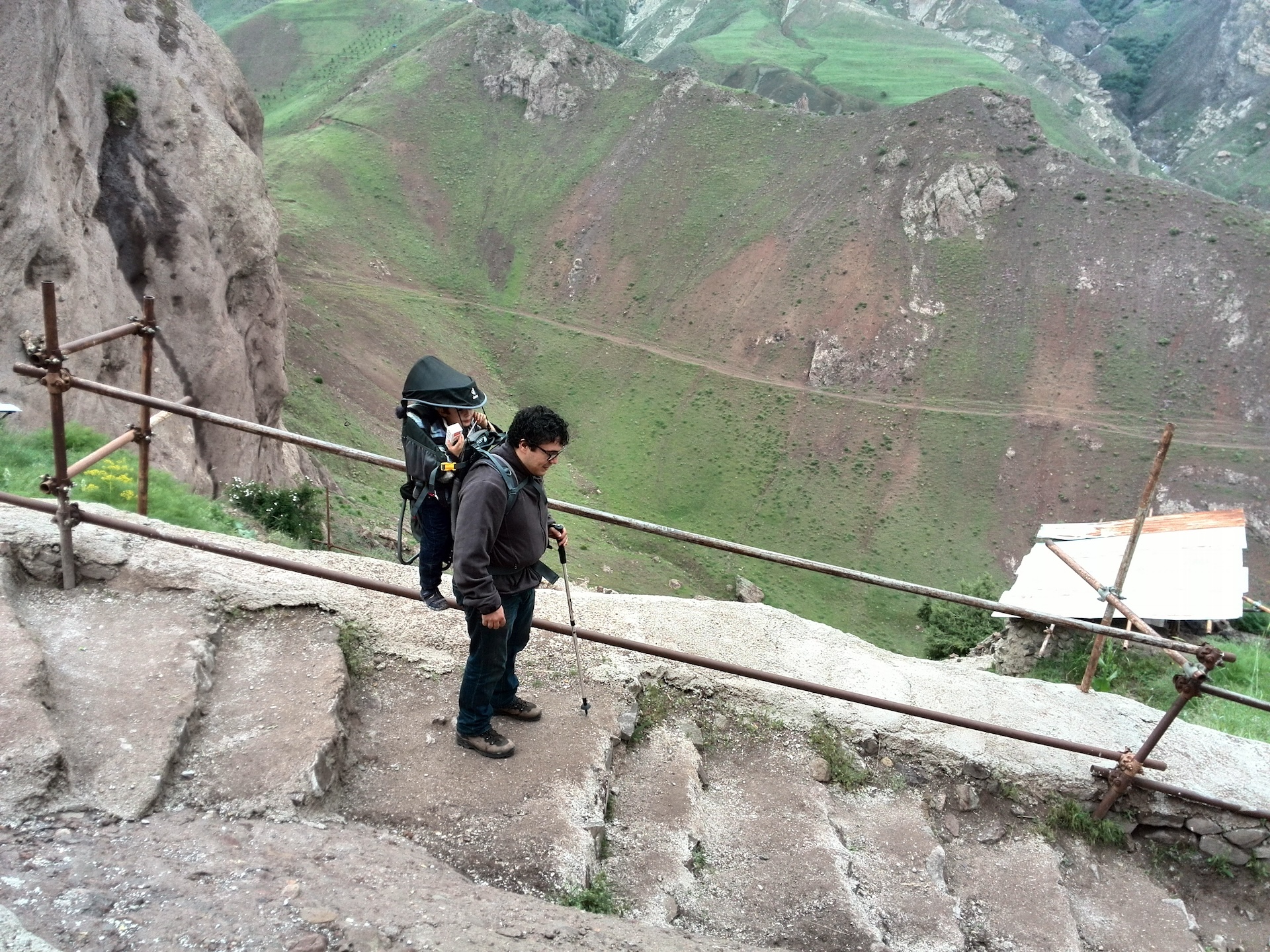
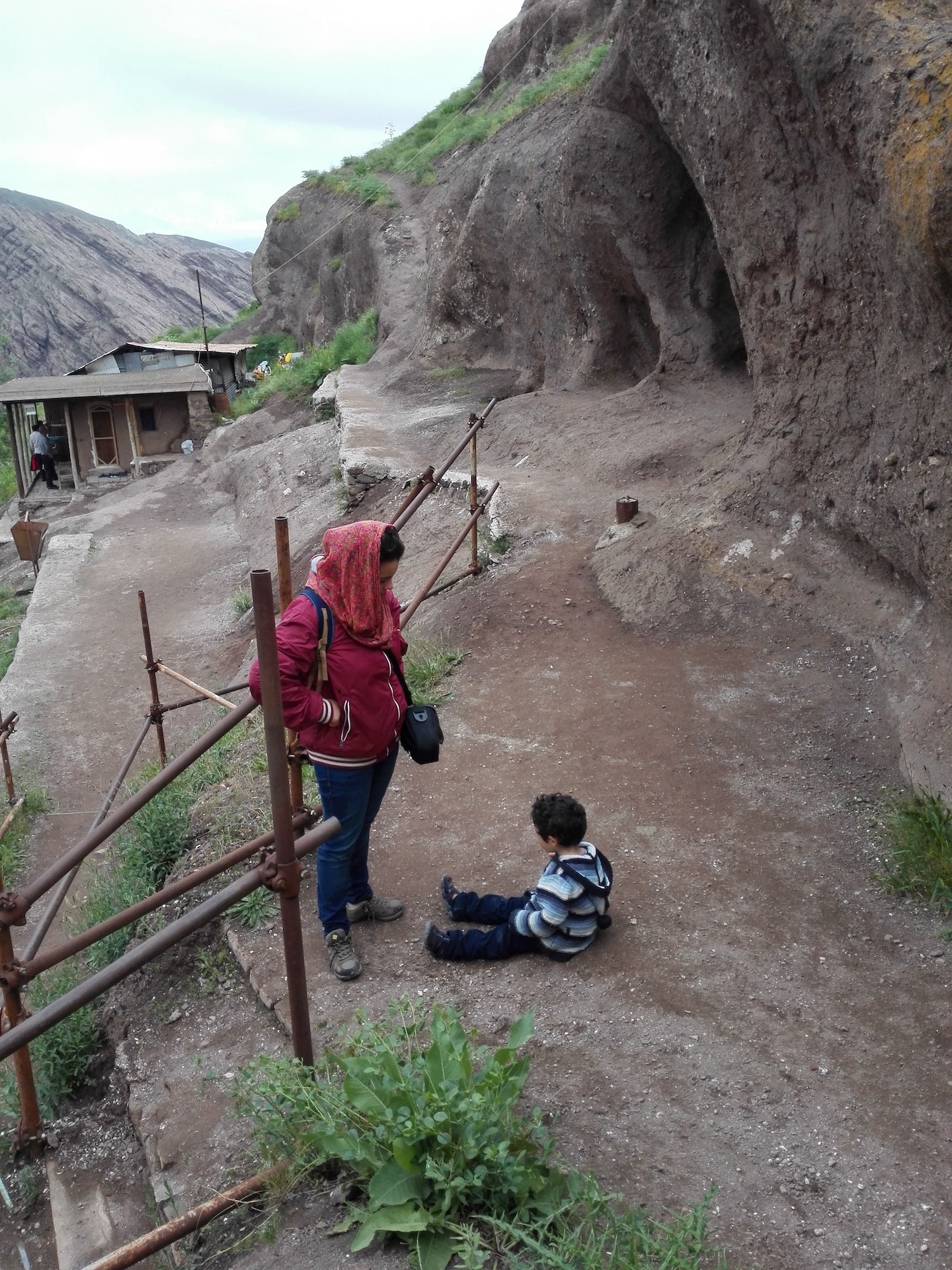
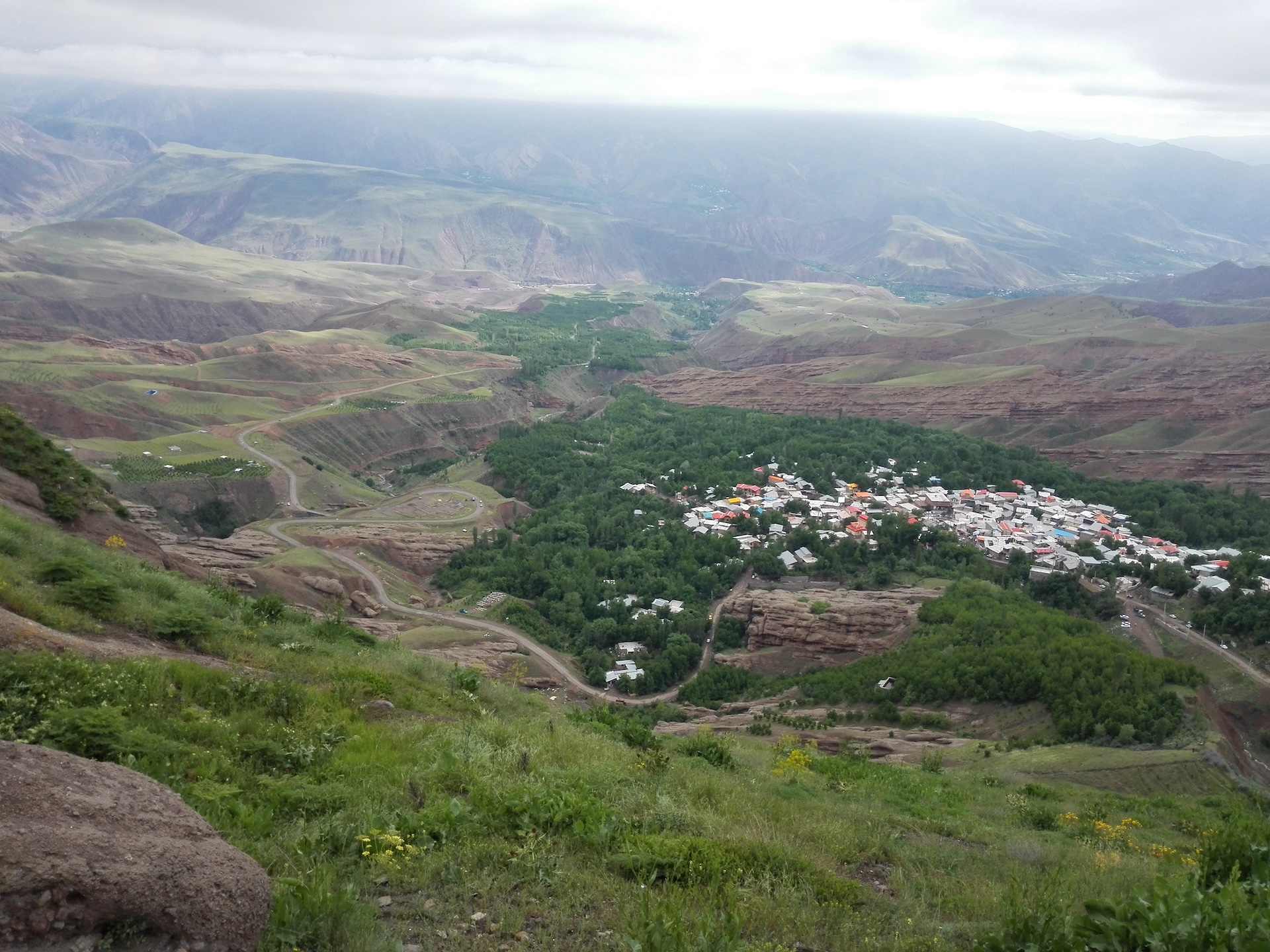
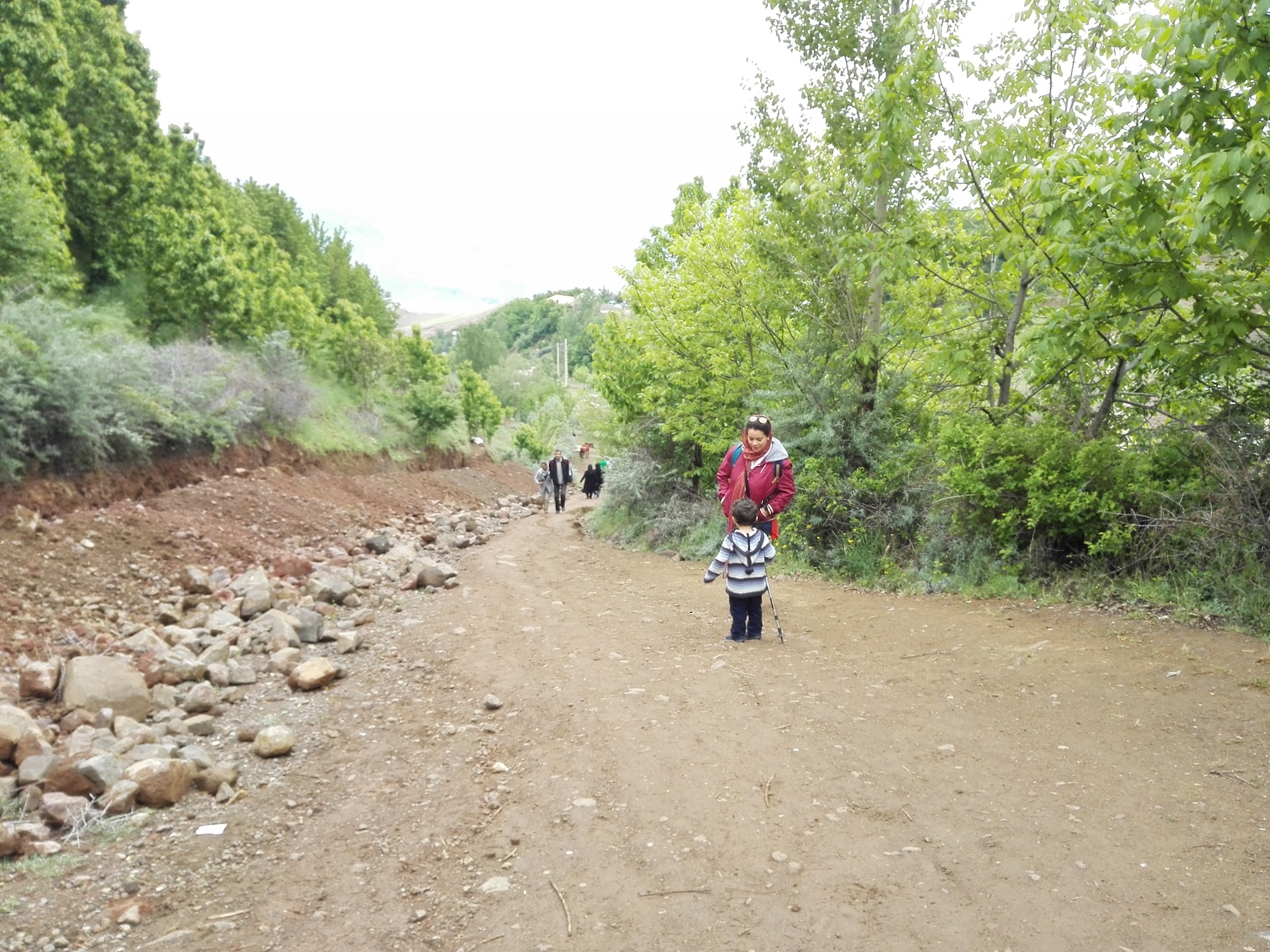
The ascent continues on foot. The path narrows, bordered by grass and loose stone. Families climb together; children stop, hesitate, resume. Walking upward with a child transforms the fortress into something else entirely—not a symbol of domination, but a test of attention and care. The climb demands patience rather than force. Below, the village appears intermittently, resting in a pocket of green, sheltered by rock and trees. From above, it looks small but complete, indifferent to the legends projected upon the mountain. Alamut does not erase daily life; it overlooks it.
What remains of Alamut Fortress is fragmentary: broken walls, rough platforms, edges exposed to the void. There is no enclosure anymore—only open horizons. Standing at the summit, vertigo replaces certainty. The fortress reveals itself less as a military structure than as an idea made visible: height as strategy, silence as control. This was the stronghold of the Nizari Ismailis, so often reduced elsewhere to caricature, but here restored to historical gravity. From this vantage point, Bartol’s famous sentence resurfaces, stripped of provocation: nothing is true, everything is permitted—not as doctrine, but as warning.
Alamut does not overwhelm. It resists interpretation. Its power lies not in what it asserts, but in what it withholds. Leaving the site, descending the same narrow paths, passing again through herds, villages, and mist, one carries downward a sharpened awareness: belief, when elevated too high, becomes vertiginous; power, when detached from ethics, hollows itself out. The mountain remains behind, but its questions persist—quiet, unresolved, and necessary.