A Pilgrimage Through the Garden of Souls
Khayyam: The Geometry of the Instant
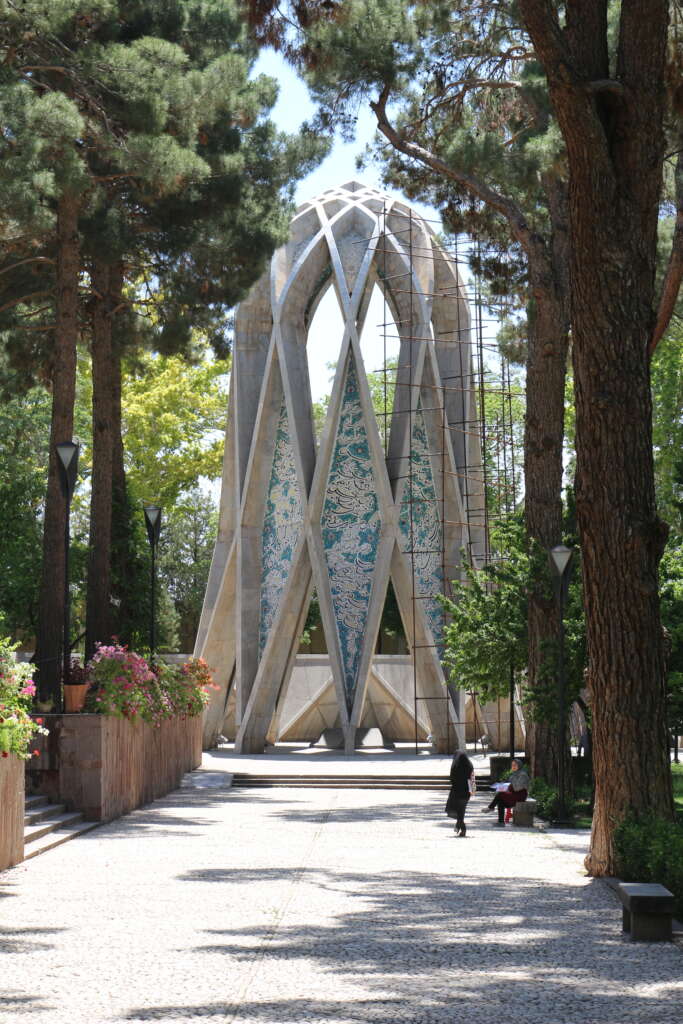
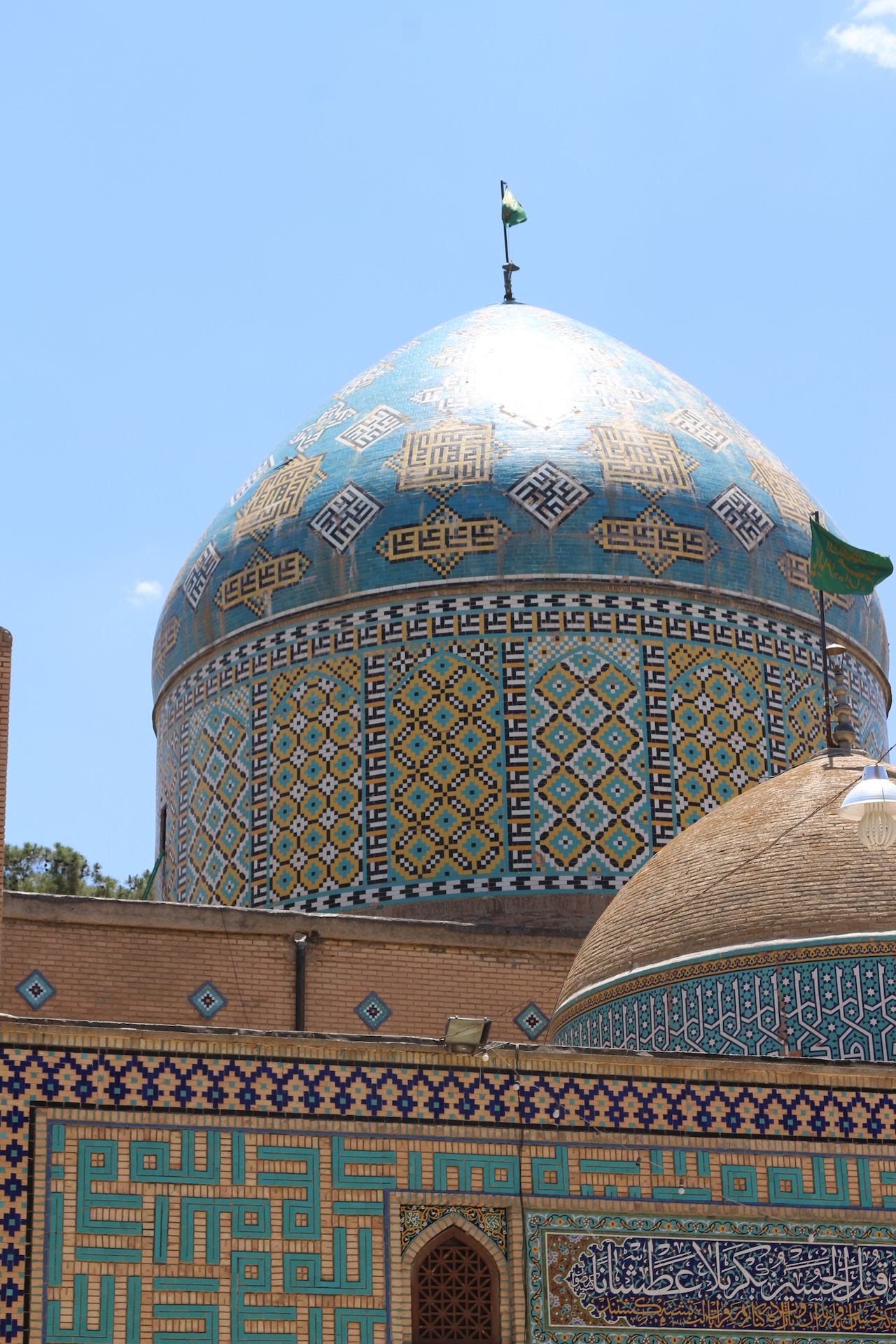
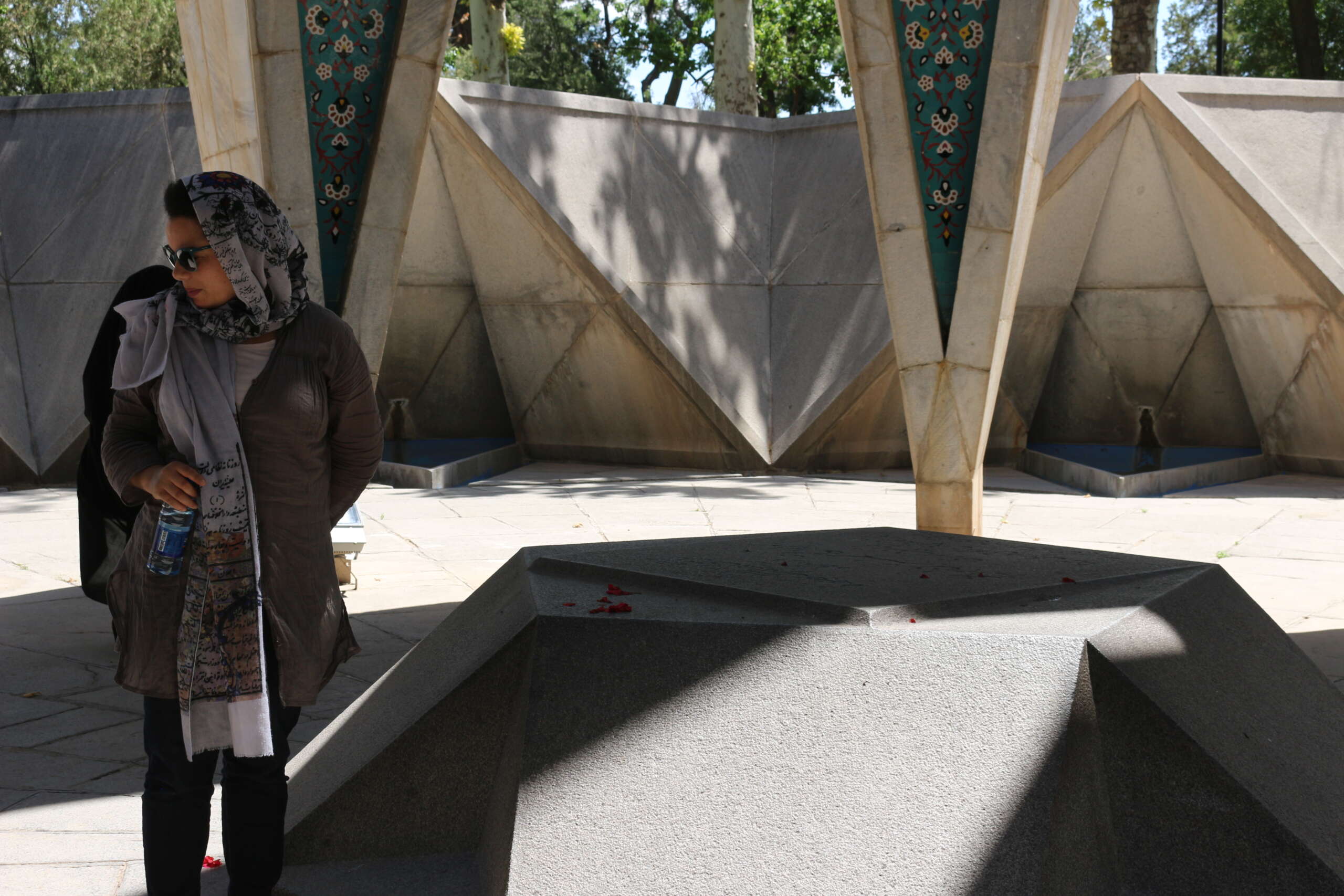
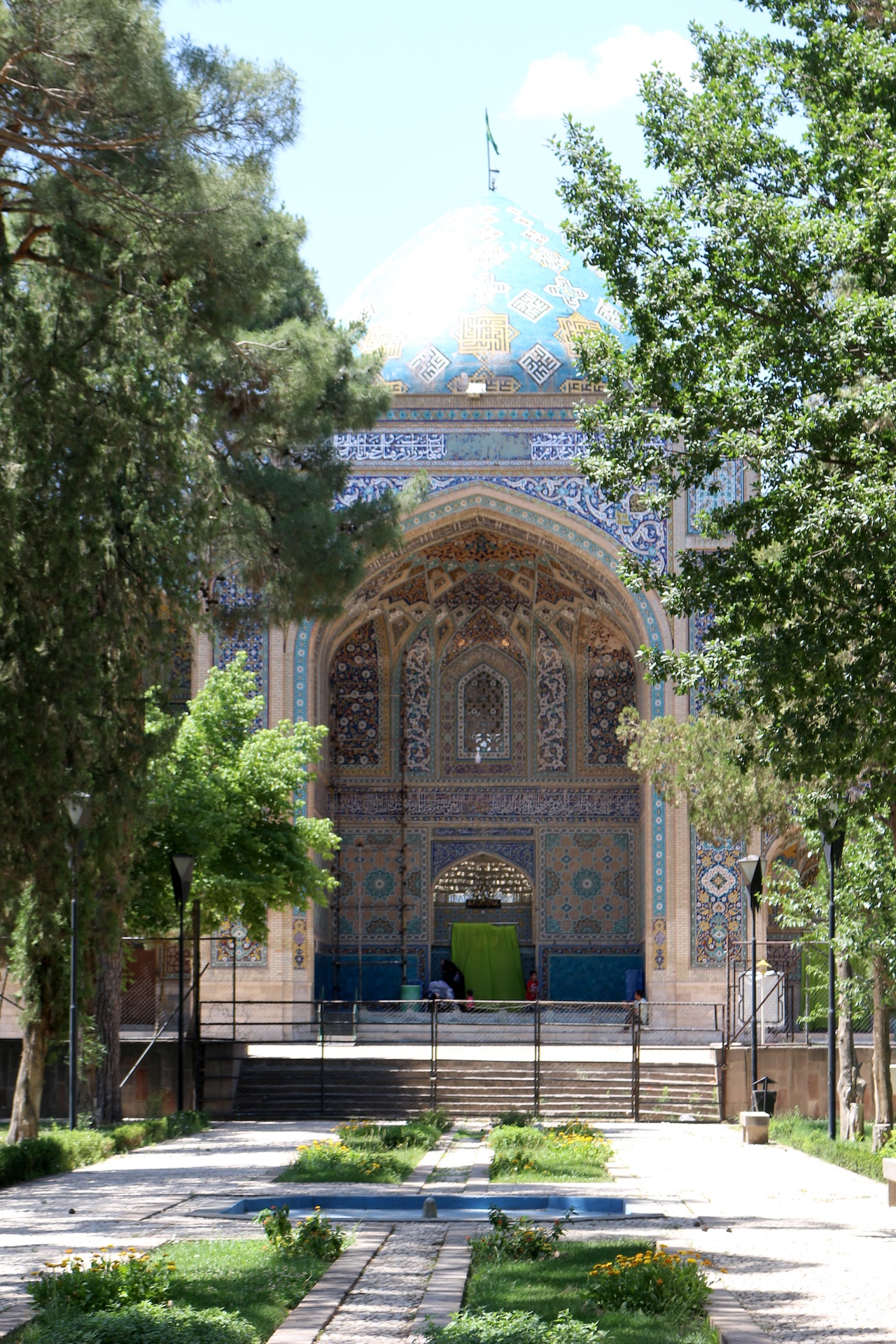
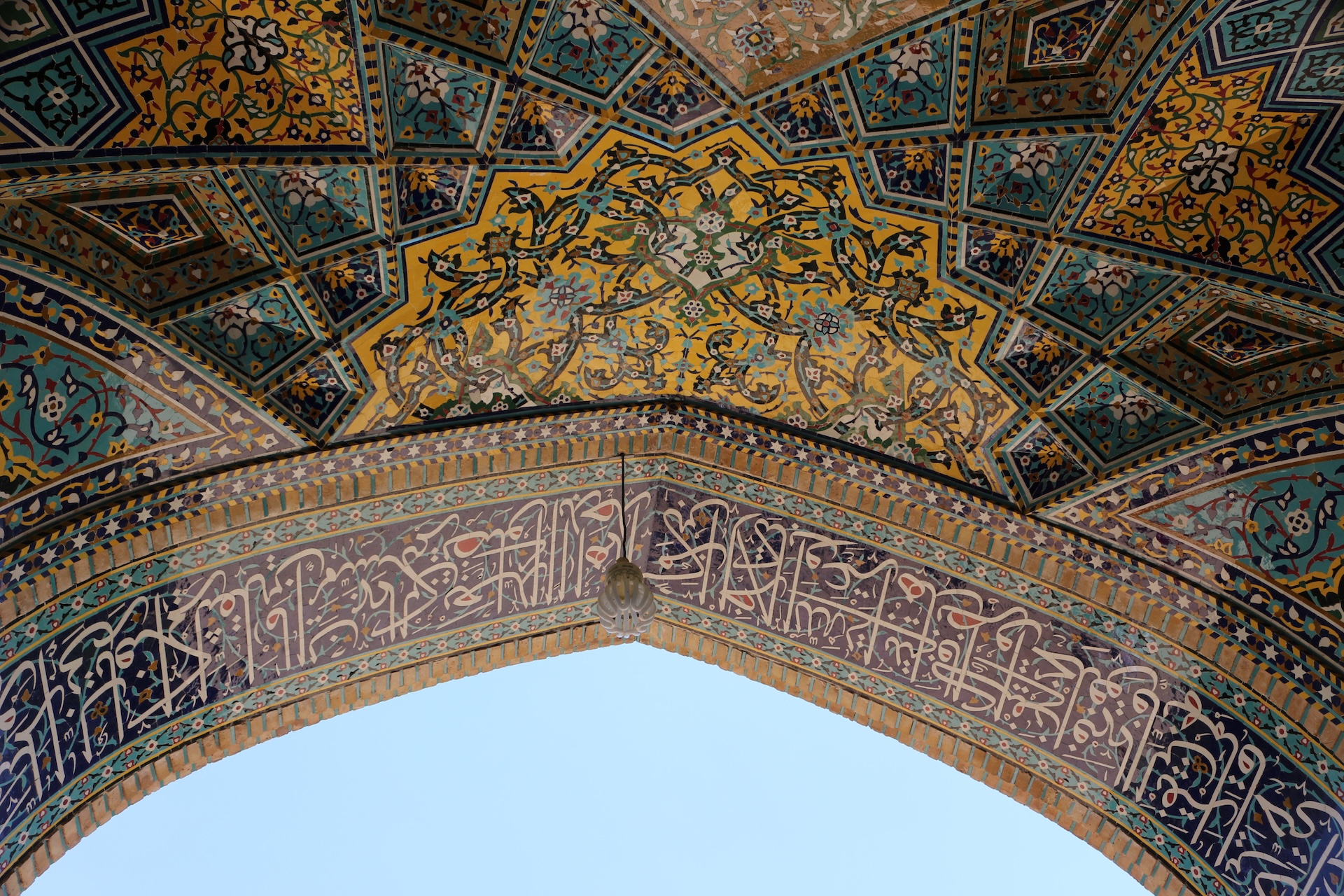
In Nishapur, the dome of Omar Khayyam rises like a mathematical prayer. Beneath the turquoise tiles where calligraphy weaves through complex calculations, I contemplated the poet-astronomer. Khayyam reminds us that beauty is found in the precision of the moment—a delicate bridge where the rigor of science meets the fleeting grace of a quatrain. It is a visual dialogue between the infinite stars and the finite clay of our existence.
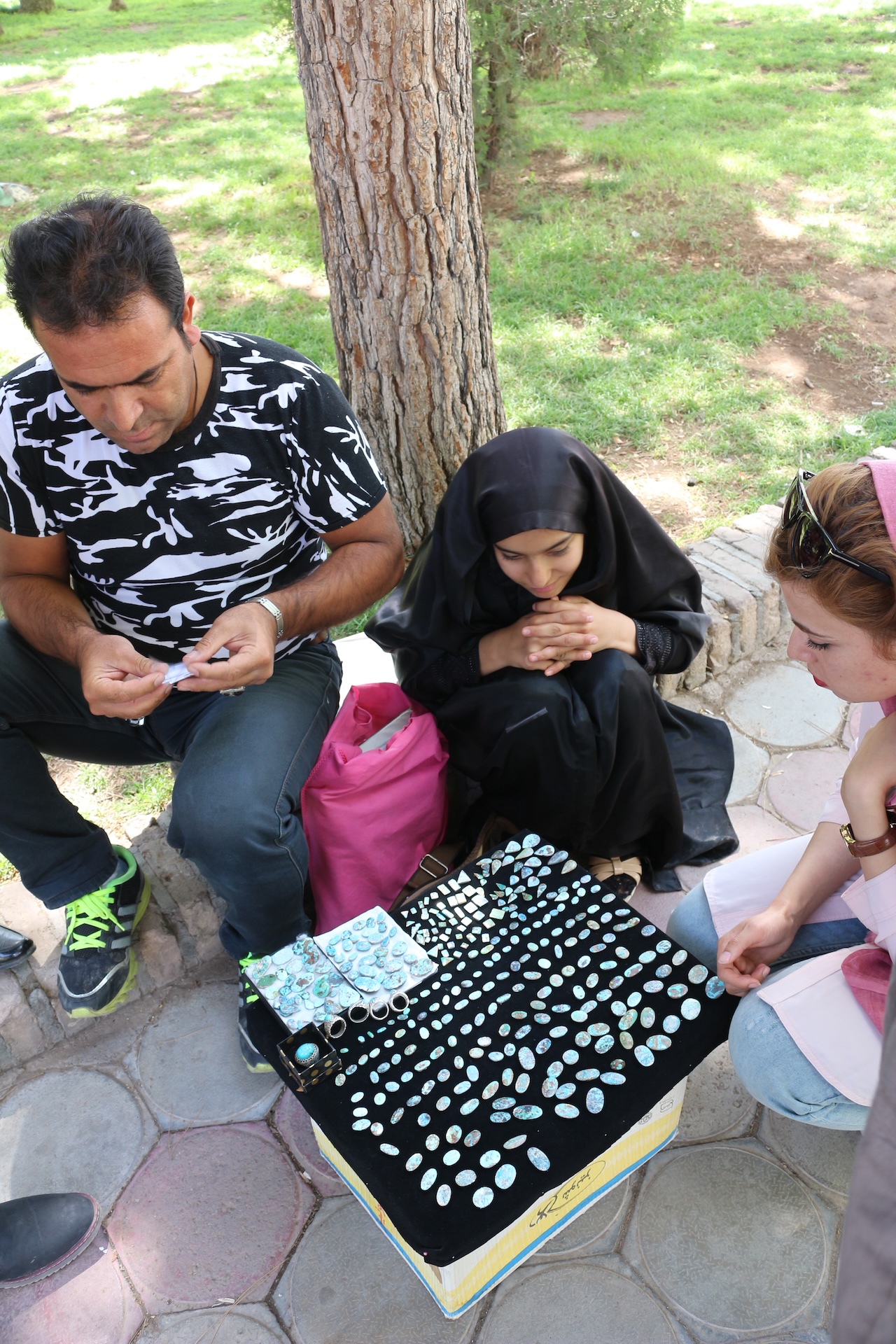
Before entering the sanctuary, one is greeted by the local merchants displaying the treasures of the Nishapur mines. The deep, celestial blue of the raw turquoise stones held in their hands seems to capture the very essence of the Persian sky. This “Nishapur Blue” is not merely a color; it is a bridge between the mineral world and the spiritual aspirations of the poets, a fragment of the heavens brought down to earth.
This earthly blue serves as a poignant reminder of Khayyam’s own meditations on the transience of life and the cyclical nature of history. As he so eloquently captured:
“And look—a thousand Blossoms with the Day Woke—and a thousand scatter’d into Clay: And this first Summer Month that brings the Rose Shall take Jamshyd and Kaikobad away.”
In these lines, he encapsulates the duality I felt standing there—the permanence of the celestial geometry above us contrasted with the fragile, beautiful “clay” of our own brief journey. To hold a piece of Nishapur turquoise is to hold a fragment of that eternal sky, a talisman against the vanishing hour.
Attar and the Sunken Talisman: A Quest for the Infinite
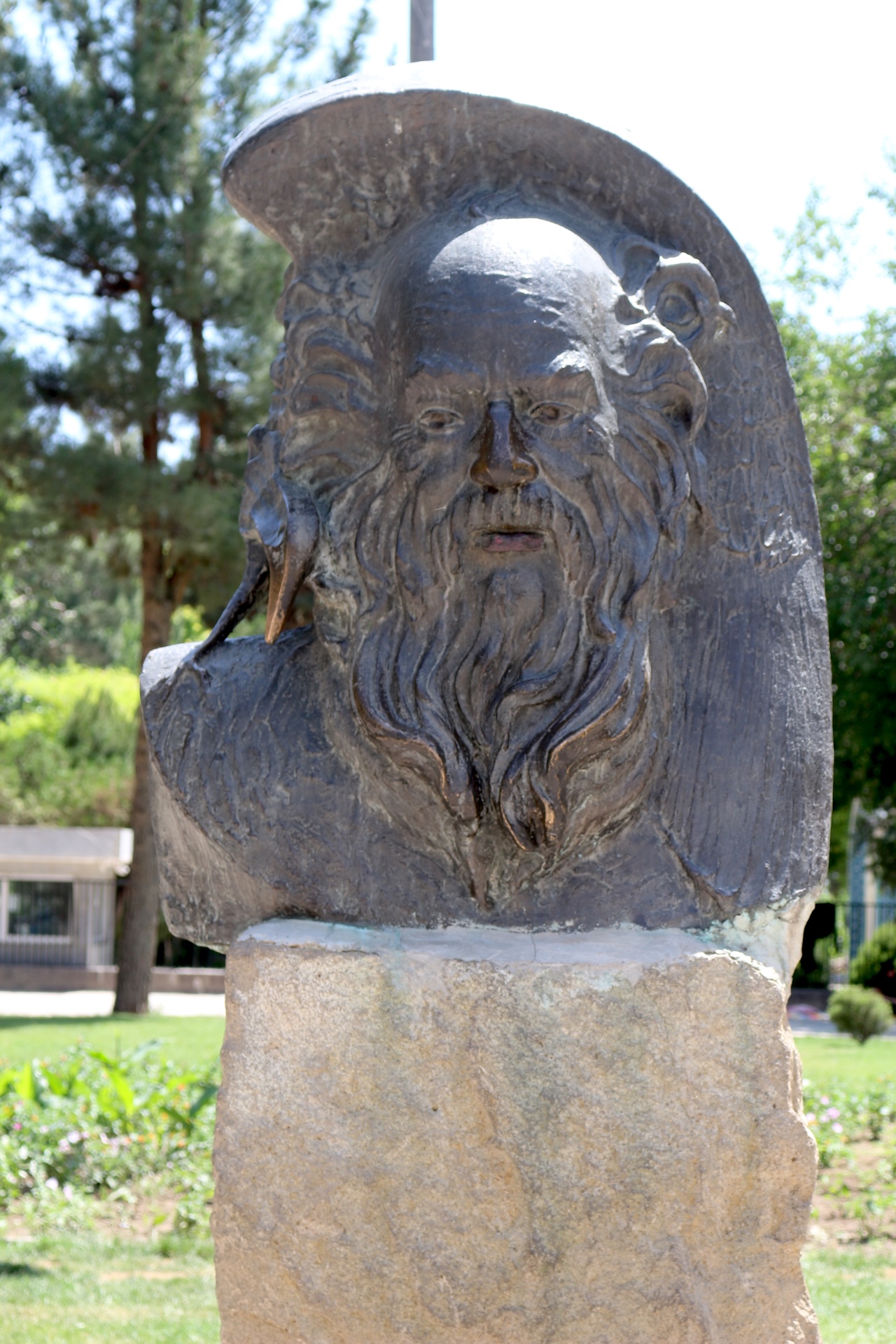
The silence deepens as one approaches the resting place of Attar, the master of the mystical journey. His presence evokes more than just literature; it invokes a quest for the essential. To speak of Attar is to recall the powerful image of the talisman lost at the bottom of the ocean. This metaphor alone holds the entire weight of the soul’s search: a buried truth, a treasure of wisdom submerged beneath the waves of our own ego and the illusions of the world.
In my own artistic path, I now perceive the canvas as a vast sea where this talisman of truth waits to be revealed. To find it, one must look beyond the surface; one must accept the dive, navigating through layers of history and color. It is in this depth that the invisible links are woven between our Mediterranean roots and these Persian horizons, where cultures no longer oppose each other but respond in harmony.
At the threshold of Attar’s home, we finally understand that the talisman is not an object to be possessed, but a transformation to be lived. Like the birds of the story who find the Simorgh only by finding themselves, we discover that the Orient and the Occident are but two reflections of the same deep water. The quest for the infinite begins precisely there, in the movement of the spirit that seeks, beneath the tumult of the waves, the fixed light of the universal.
Postscriptum
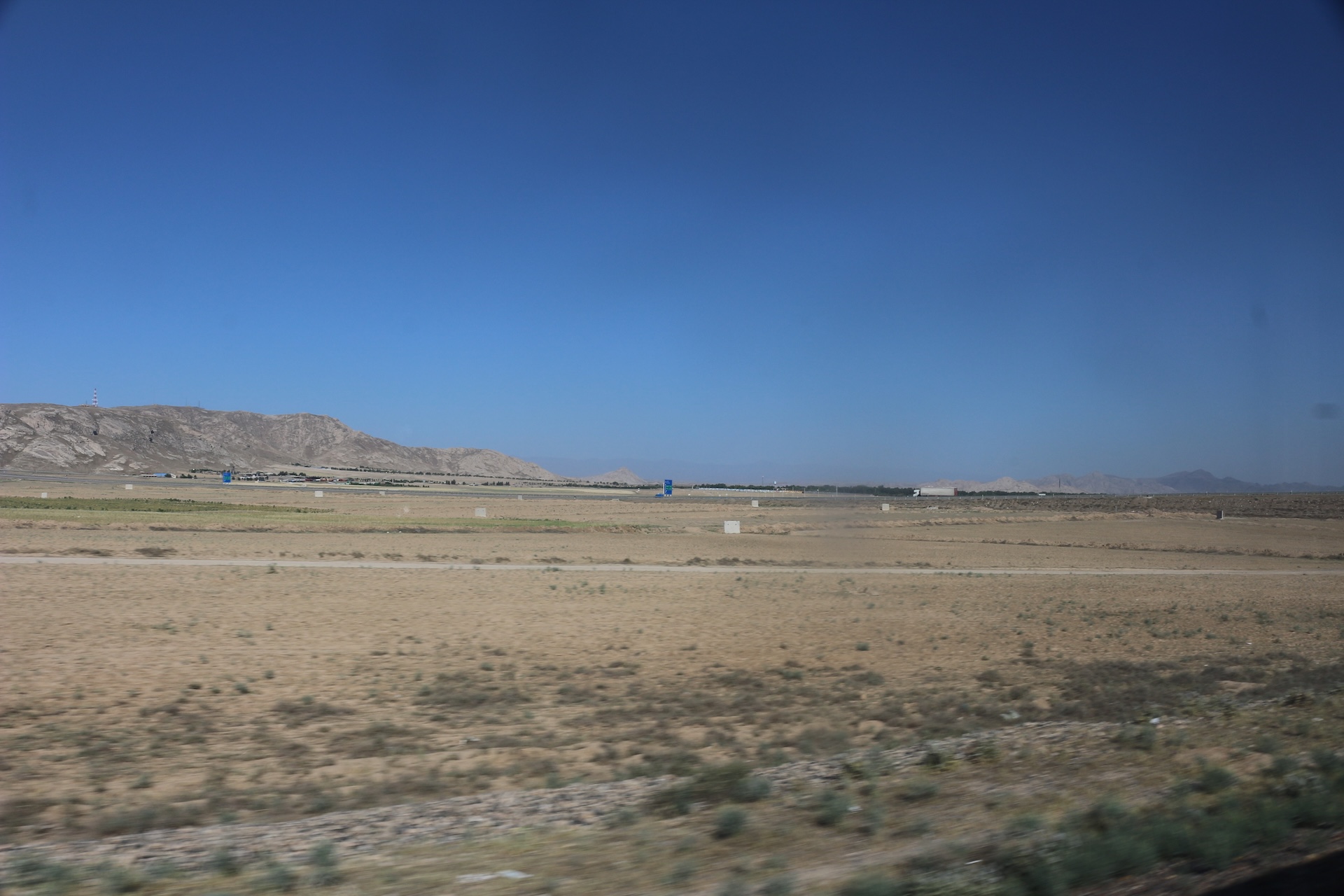
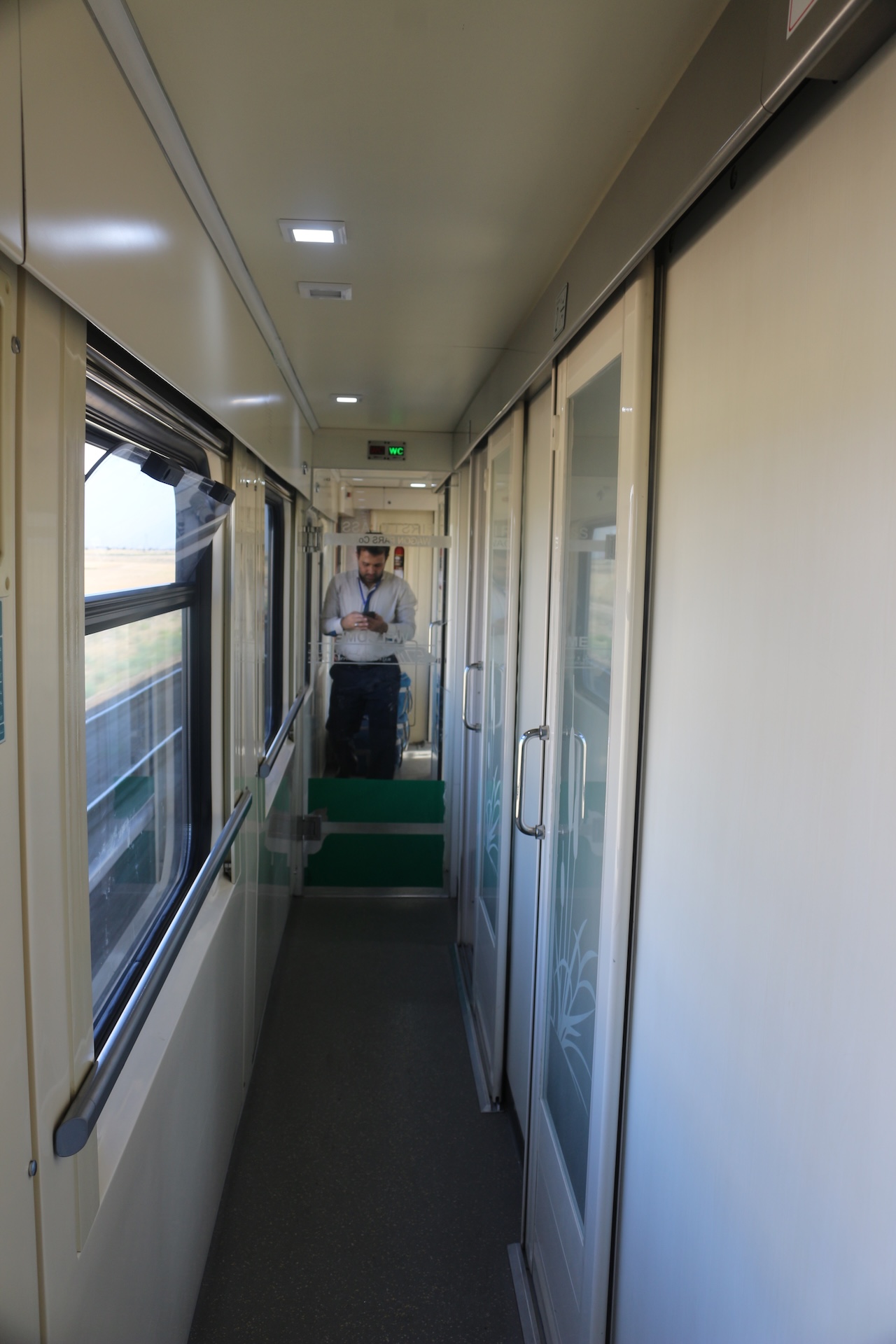
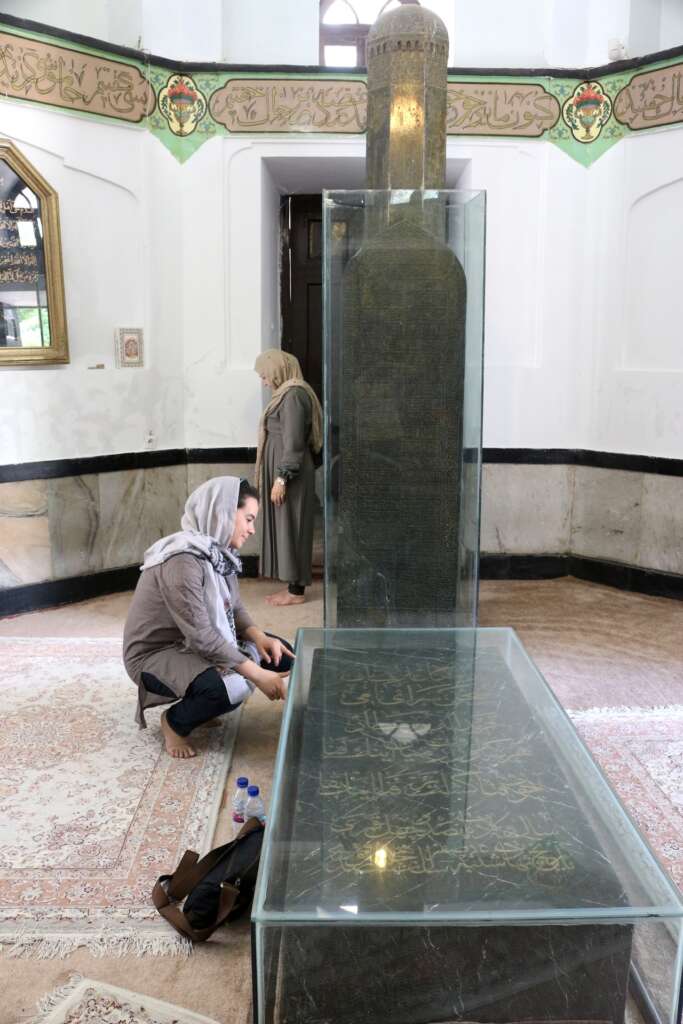
These sites are “stations” of an intellectual and spiritual journey. They teach us that heritage is not a static relic, but a living, breathing garden—a space where the past and the present meet in a brief, luminous encounter. This visit, begun in the metal heart of a night train and concluded in the rose-scented gardens of Nishapur, was a return to the talisman of beauty that anchors our shared humanity.